
close
Choose Your Site
Global
Social Media


Views: 0 Author: Site Editor Publish Time: 2026-08-24 Origin: Site


Backpackers constantly chase a delicate balance on the trail. You need maximum sun protection. You also demand excellent ventilation. Traditional technical gear often falls short here. Nylon and polyester hats offer great durability. However, they frequently trap body heat. This turns your head into an uncomfortable sauna during steep climbs.
Enter a classic, historical alternative. Backpackers are increasingly returning to highly ventilated, woven headwear. Skeptics rightly question this choice. They worry about durability and packability in rough terrain. We understand these valid concerns.
This guide evaluates real-world trail performance. We will explore environmental suitability and practical limitations. You will learn exactly how these items handle multi-day backpacking trips. We will help you decide if this traditional option belongs in your gear kit. Selecting the right gear dictates your comfort level. A poor choice leads to dangerous overheating. Let us dive into the details.
**Best Use Case:** Highly exposed, extreme-heat environments with low overhead vegetation (e.g., desert treks, canyon routes).
**Major Limitations:** Poor packability, high vulnerability to crushing, and snag hazards in dense forests or brush.
**Verdict:** A straw hat is highly practical for specific climates but requires behavioral adjustments (wearing it constantly vs. packing it) and specific design features (chin straps, tight weaves) to survive a backpacking trip.
**Comparison:** Outperforms nylon bucket hats in static ventilation but loses heavily in moisture-wicking and transportability.
Modern outdoor gear relies heavily on synthetic fabrics. Manufacturers favor nylon and polyester blends. These materials endure immense abuse on rough trails. They pack down into tiny pockets. Yet, they possess a significant flaw in extreme heat. The limits of technical headwear become obvious during high-exertion climbs.
A standard boonie hat blocks the sun efficiently. Unfortunately, tightly woven synthetics act like a greenhouse. Heat radiates from your scalp. The fabric traps this thermal energy. You begin sweating profusely to cool down. The humidity inside the hat skyrockets. You end up feeling overheated and miserable.
This discomfort drives hikers to seek better ventilation. A rigid, woven design provides a distinct advantage here. We can look at the physics of convection cooling. Hot air naturally rises from your head. Woven fibers contain hundreds of tiny gaps. These micro-pores allow hot air to escape freely. Simultaneously, passing breezes easily penetrate the crown. This passive airflow cools the skin rapidly. A high-quality Straw Hat masters this exact thermal dynamic.
Backpackers must navigate a complex trade-off matrix. You cannot find one perfect piece of gear. You must evaluate headwear across three main criteria:
Breathability: How well does the material dump excess heat?
Durability: Will it survive abrasion from tree branches?
Packability: Can you crush it into a backpack without ruining it?
Woven headwear scores incredibly high on breathability. It fails miserably at packability. Understanding this compromise is essential for smart gear planning.
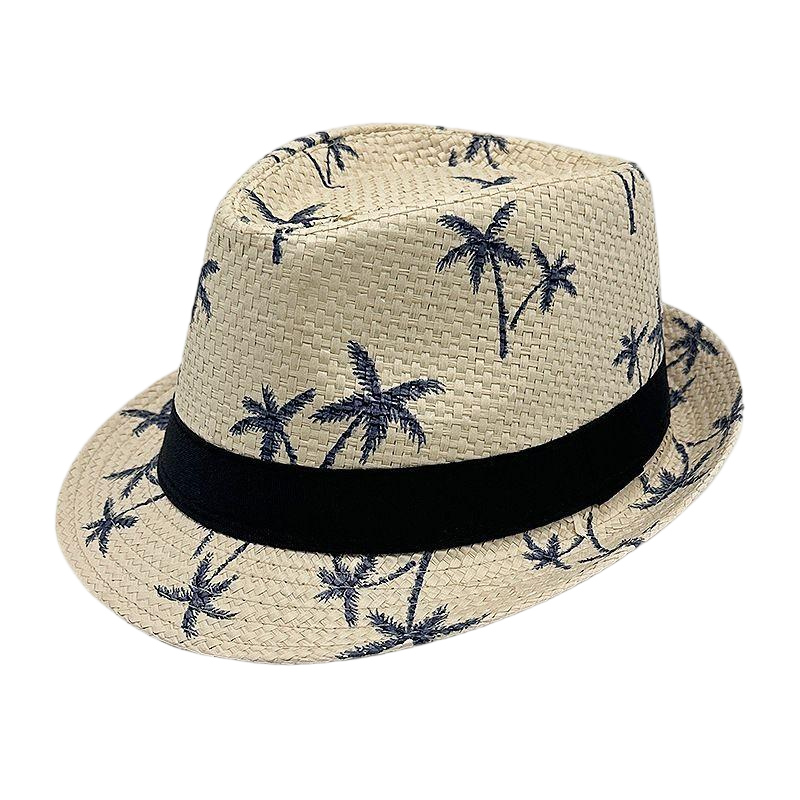
Many hikers assume any wide brim offers adequate sun defense. This assumption is dangerous. UV rays easily penetrate loose weaves. You must analyze the weave density closely. A dedicated hiking model features tightly bound fibers. In contrast, a casual Beach Natural Straw Hat often features wide, decorative gaps.
These loose beach variants leak significant amounts of UV radiation. You might end up with a severe sunburn on your scalp. Dermatologists recommend UPF 50+ ratings for prolonged exposure. Natural fibers alone rarely achieve this standard reliably.
You need specific design additions for true protection. The best trail models include under-brim fabric liners. Manufacturers sew a dark, UPF-rated synthetic fabric beneath the brim. This liner blocks escaping UV rays entirely. It also absorbs reflective glare from sand or water. This reduces eye strain significantly during long hiking days.
Rigid brims provide exceptional micro-shade. Floppy synthetic brims often droop in high humidity. A drooping brim exposes your neck to harsh sunlight. A stiff woven brim holds its shape perfectly. It casts a wide, reliable shadow over your shoulders.
This consistent shade lowers your perceived temperature. However, natural fibers introduce a major downside. They lack integrated moisture-wicking properties. Synthetic hats actively pull sweat away from your skin. Woven fibers simply sit against your forehead.
Friction becomes a serious issue on humid trails. Rough fibers chafe sweaty skin quickly. You must seek models featuring built-in synthetic sweatbands. An internal moisture-wicking band prevents painful forehead abrasions. It also stops sweat from running directly into your eyes.
Alpine ridges generate unpredictable wind gusts. Wide, rigid brims create an aerodynamic flaw. They act like a sail in heavy winds. An unexpected gust will easily tear the headwear off your head.
Losing your sun protection on a remote trail is dangerous. You must secure your gear properly. A high-quality chin strap is an absolute mandatory requirement. Avoid cheap elastic strings.
Look for robust paracord or flat leather straps. Ensure the strap features a reliable, adjustable toggle. You can cinch it tightly against your jawline during storms. Some modern models even include breakaway safety clasps. These prevent choking hazards if the brim snags on a heavy branch.
Trail reality often destroys idealized gear choices. Woven headwear faces specific mechanical challenges. You must understand where these designs fail. The most significant issue involves backpack clearance.
Multi-day backpacking requires large, heavy packs. A 65-liter pack typically features a tall internal frame. The top lid often extends above your shoulders. A rigid rear hat brim will inevitably strike this pack lid.
Every time you look up, the brim hits your backpack. The hat pushes forward over your eyes. This constant displacement causes severe neck strain. You cannot easily adjust a rigid brim. You end up tilting your head downward permanently. This ruins your posture and your view.
Bushwhacking presents another major hazard. Dense forests destroy natural fibers rapidly. Stray branches catch the woven loops. They snap brittle pieces instantly. A few miles of dense brush will shred a beautifully woven crown. This fragility makes them unsuitable for overgrown, unmaintained trails.
The packability factor is usually the ultimate dealbreaker. Weather changes quickly in the mountains. Clouds roll in, and you want to remove your sun protection. You cannot stuff a rigid model into your 65L pack. Compressing it causes permanent deformation. The brittle fibers will shatter under the weight of your sleeping bag.
If you bring it, it stays on your head. Alternatively, you must carry it in your hand. Neither option is ideal during a steep scramble. Furthermore, moisture vulnerability poses a silent threat. Unexpected downpours saturate untreated natural fibers.
Soaked fibers swell and lose their structural integrity. The brim collapses downward, obscuring your vision. The absorbed water drastically increases the weight on your head. Finally, packing away damp natural fibers invites rot and mildew. It requires careful drying procedures at camp.
Choosing the right headwear requires direct comparison. Each category serves a highly specific niche. We evaluate the pros and cons of the three primary trail options.
Backpacking Headwear Comparison Matrix
Hat Type | Primary Advantage | Major Drawback | Ideal Trail Environment |
|---|---|---|---|
Nylon Bucket/Boonie | Indestructible & packable | Traps heat severely | Dense forests, rainy climates |
Mesh-Crown Synthetic | Balances airflow & packing | Scalp sunburn risk | Mixed canopy, humid forests |
Rigid Woven (Straw) | Unmatched passive cooling | Zero compression capability | Exposed deserts, canyonlands |
Nylon Bucket and Boonie Hats dominate the ultralight market. They are virtually indestructible. They boast an ultralight profile, often weighing under 2.5 ounces. You can easily shove them into a hip belt pocket. Waterproof options excel in unpredictable mountain ranges. Unfortunately, they trap heat aggressively. Floppy brims also obscure your vision during heavy wind or rain.
Mesh-Crown Technical Hats offer a middle ground. Designers combine a solid brim with a mesh upper section. This balances packability with enhanced airflow. They usually feature superior moisture-wicking sweatbands. However, they introduce a hidden danger. Hikers with thinning hair face severe scalp sunburn risks. UV rays pass straight through the crown mesh.
Rigid Woven options deliver unmatched 360-degree structure. They provide superior passive airflow in stagnant heat. They offer a highly appealing aesthetic and immense comfort in dry climates. The downsides are steep. They represent the heaviest option. They offer zero compression capabilities. The materials grow brittle and fragile over time.
Purchasing the correct model requires strict criteria. Casual beach designs will not survive the backcountry. You must evaluate materials, sizing, and features meticulously. Follow this logic to find a trail-ready option.
Material selection dictates durability. Seek out tightly woven palm leaf. Palm leaf offers natural water resistance and superior flexibility. It bends slightly before breaking. High-quality natural grass is another acceptable alternative. You must avoid paper straw entirely. Paper variants dissolve rapidly upon contact with rain or heavy sweat.
Brim sizing determines your comfort alongside a backpack. We recommend limiting the brim to 3 or 4 inches. This size shields your face effectively. It minimizes interference with tall pack frames. Anything wider becomes a severe liability. Broad sombreros snag on every passing branch.
You must mandate specific technical features. Do not purchase a model missing these elements. Here is a checklist of non-negotiable additions:
An internal synthetic moisture-wicking sweatband to prevent chafing.
A dark, UPF-rated fabric liner on the brim's underside.
A sturdy, adjustable breakaway or locking chin strap.
A reinforced crown structure to resist minor crushing.
Finally, address weight considerations honestly. Ultralight backpackers obsess over base-weight tracking. A rugged, trail-ready woven model weighs significantly more than synthetics. You trade ounces for comfort. A robust palm leaf design might weigh up to 6 ounces. Recognize this penalty before packing your gear.
Deciding on headwear requires analyzing your specific hiking route. A rigid woven hat excels brilliantly in arid, open-sky environments. They dominate on desert treks, beach trails, and exposed canyon routes. The exceptional passive cooling easily outweighs the poor packability in these zones. You stay cooler, reducing your water consumption and fatigue.
Conversely, you should avoid them in challenging technical terrain. They fail in dense alpine forests due to snag hazards. They prove frustrating on multi-climate thru-hikes where packability is paramount. Ultralight Fast and Light (FKT) pursuits require gear you can compress instantly.
Your next step is simple. Assess the canopy cover of your upcoming trail. Check the expected humidity and pack frame height. If you face days of relentless, unshaded sun, embrace tradition. Invest in a trail-hardened, tightly woven model. It might just save you from heat exhaustion.
A: Trail-side repairs are extremely limited. Heavily deformed natural fibers typically snap under pressure. You cannot tape them back together effectively. However, authentic palm leaf models offer slight malleability. You can soak a crushed palm leaf brim in water and gently reshape it. It will dry and hold its new form. Standard grass or paper models will remain permanently ruined.
A: Yes. Natural woven fibers carry a noticeable weight penalty. An average technical nylon bucket hat weighs between 2 and 3 ounces. A durable, tightly woven palm leaf model typically weighs between 4 and 6 ounces. While a few ounces seem minor, ultralight hikers strictly track base weight. This extra mass sits directly on your neck muscles.
A: No. Casual beach designs lack the durability required for rigorous trails. They usually feature loose weaves that leak dangerous UV rays. They also lack internal UPF fabric liners and synthetic sweatbands. More importantly, beach models rarely include the secure locking chin straps necessary for variable mountain winds. They will blow away or disintegrate quickly.
A: It depends entirely on the material. Treated palm leaf repels light rain reasonably well and maintains its shape. Untreated natural fibers absorb water rapidly. The hat will lose its rigid structure, becoming heavy and droopy. Prolonged soaking degrades the fibers permanently. Furthermore, packing away a damp woven hat invites structural rot and foul-smelling mildew.


