
close
Choose Your Site
Global
Social Media


Views: 0 Author: Site Editor Publish Time: 2026-08-17 Origin: Site


Have you ever bought a piece of headwear hoping for effortless elegance, only to feel like you are wearing a costume? A poorly chosen accessory often looks out of place, requires constant adjustment, or fails to provide actual warmth. We often get inspired by cinematic aesthetics but forget practical realities during our shopping journey. Authentic styling relies heavily on structural integrity and proper fit. You cannot depend just on a trendy color or a famous brand name. Your ultimate goal is transitioning from aesthetic inspiration to making a confident, lasting purchase. This goal relies directly on sizing accuracy, material quality, and your personal proportions. We will guide you through this process step by step. You will learn how to evaluate fibers, match crown shapes to your face, and navigate tricky sizing measurements. Follow these guidelines to find an accessory you will genuinely wear and love for years.
Head measurement is non-negotiable; standard "one-size-fits-all" often leads to slipping or pressure headaches.
Material dictates function: High-density felted wool offers natural weather resistance, while a dedicated windproof beret hat provides necessary insulation for harsh climates.
Diameter and basque (headband) style determine how the hat frames different face shapes.
Color selection should align with existing wardrobe anchors rather than isolated trends.
Evaluating materials is your most crucial initial step. The fabric determines how your accessory performs in real weather conditions. It also dictates how well the crown holds its structural shape over time.
Industry experts consider 100% merino or virgin wool the historical standard for good reason. Wool fibers possess microscopic overlapping scales. These scales lock together tightly during the felting process. This creates a dense, durable fabric barrier. High-density felted wool delivers exceptional breathability alongside natural water resistance. Raindrops typically bead up and roll right off the surface.
Furthermore, pure wool possesses incredible structural memory. You can fold it into a pocket, and it will spring back to its original shape. You must carefully assess the trade-offs of acrylic or synthetic blends. Synthetic options offer a significantly lower cost upfront. However, they are highly prone to friction pilling. Acrylic fibers also provide poor heat regulation. They trap sweat quickly, leaving you feeling uncomfortably clammy indoors.
Standard felted wool handles mild chills perfectly. However, harsh environments demand specific technical upgrades. If you live in a coastal environment or face harsh winter commuting, a specialized Windproof Beret Hat becomes necessary. Cold gusts easily penetrate loosely felted fashion hats, causing rapid heat loss.
When evaluating technical or lined options, you must look for specific construction details. High-quality technical headwear features interior sweatbands for enhanced scalp grip. You should examine the density of the felt closely. Look for wind-blocking inner linings crafted from breathable microfiber. A proper technical lining stops cold drafts completely. Crucially, this hidden wind-blocking layer must not compromise the classic drape. The crown must remain pliable enough to shape by hand.
Feature | 100% Virgin Wool | Synthetic / Acrylic Blend | Lined Windproof Wool |
|---|---|---|---|
Breathability | Excellent | Poor | Moderate |
Water Resistance | Natural (Beads off) | Minimal (Absorbs quickly) | Enhanced (Treated) |
Shape Memory | High | Low (Prone to stretching) | High |
Best Climate Use | Autumn / Mild Winter | Indoor styling only | Harsh / Freezing Winters |
Fit involves much more than circumference. Structural profiles dictate how the headwear sits on your skull. You need to understand the relationship between the headband and the crown diameter.
The basque is the foundational edge resting against your head. Manufacturers primarily offer two distinct variations. Each serves a drastically different stylistic purpose.
Fitted/Leather Band: This style features a rigid internal ribbon, often finished in leather. It offers a firm, unyielding grip. This construction is best for precise sizing. It creates a distinctly military-inspired or sharply structured look. The hat sits taller and straighter on the forehead.
Rolled Edge/Traditional: This style finishes cleanly without a separate structural band. The wool simply rolls inward. It offers exceptional flexibility and a much softer drape. You gain easier tension adjustments for relaxed, casual styling. You can pull a rolled edge deeper down over the ears comfortably.
The plateau refers to the flat circular crown. Diameter sizing changes the entire visual impact of the accessory.
A small diameter sits much closer to the head. The resulting look is discreet, neat, and highly controlled. You cannot manipulate a small crown very much. Conversely, a large diameter provides dramatic drape and creates a voluminous silhouette.
You must match the diameter to your scalability needs. Larger crowns allow for versatile folding techniques. You can pull the extra fabric forward to mimic a peak. You can slant it heavily to one side for artistic flair. You can push it entirely backward for a relaxed, bohemian aesthetic.
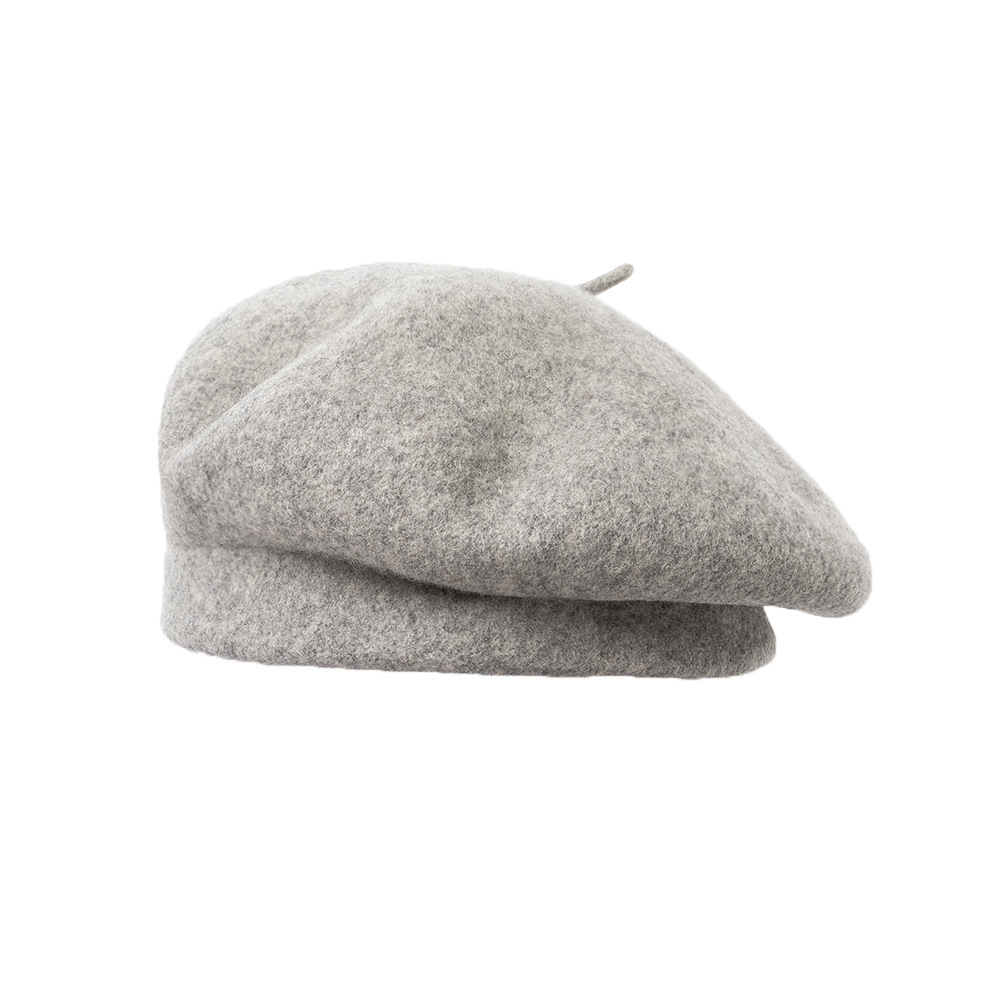
Your facial bone structure should influence your styling choices directly. A specific tilt or crown volume can highlight your best features effortlessly. We recommend adapting your drape technique based on these common geometric profiles.
Symmetry often exaggerates roundness. Your primary styling recommendation is choosing an asymmetrical approach. Wear the accessory tilted deeply to one side. You should select a slightly larger diameter crown. Pulling a larger plateau diagonally across the forehead creates sharp visual angularity. This diagonal line effectively breaks up facial symmetry and elongates your face.
Strong jawlines require visual softening. Your recommendation involves reducing rigid lines near your forehead. Opt for much softer wools. Always choose a traditional rolled edge rather than a stiff leather band. Push the hat slightly back off your forehead. Exposing your hairline softens your overall expression. This backward placement gently balances a prominent, angular jawline.
Oval proportions are naturally balanced. Your face shape can easily accommodate almost most structural profiles. Therefore, your recommendation focuses on hair integration. Focus your evaluation on matching the crown volume to your hair length rather than your facial bone structure. Short hair pairs beautifully with small, discreet diameters. Heavy, long hair requires a larger, more voluminous crown to maintain proportional balance.
Assuming a "one-size-fits-all" approach leads to immediate buyer regret. Sizing requires precision. An improper fit causes constant slipping or uncomfortable forehead pressure.
You must establish your exact head circumference before browsing any catalogs. Follow this standard measurement protocol for perfect accuracy:
Obtain a flexible, soft tailor's tape measure.
Place the tape measure across the center of your forehead.
Wrap it around the widest part of your occipital bone at the back of your skull.
Ensure the tape rests approximately 1-2 cm above your ears.
Record the exact number in centimeters.
You must avoid the common mistake of measuring too tightly. Pulling the tape taut creates an artificially small number. Buying a tight size poses a severe risk. Rigid headwear restricts blood flow slightly, causing tension headaches after just an hour of wear.
Shoppers constantly face confusing international sizing discrepancies. European makers use exact centimeters. American brands use inches. Fast-fashion retailers use generic S/M/L categories. Always convert your measurement to centimeters for the highest precision.
You must understand implementation realities regarding natural fibers. Pure wool naturally stretches up to 1cm with regular wear. Body heat and moisture relax the felted fibers. Outline a clear framework for choosing between sizes if you land on a borderline number. Always size up if you are buying an option utilizing a rigid leather band. Leather bands will never stretch. Conversely, consider sizing down slightly for pure, unlined wool with a rolled edge. It will mold perfectly to your head within a week.
Your beautiful new accessory must actually integrate into your daily life. Thoughtful color selection and contextual awareness separate effortless elegance from awkward costuming.
You should treat your Beret Hat as a strategic wardrobe investment. Prioritize your primary wardrobe anchors first. Navy, black, and camel provide the maximum return on investment. These neutral tones offer exceptional formal versatility. They transition seamlessly from casual weekend coats to sharp, professional trench coats.
Accent colors require careful consideration. Red, emerald, or heavily patterned options create striking focal points. However, you must evaluate these choices based on your specific capsule wardrobe alignment. If you rarely wear bright colors, an emerald crown will clash with your daily outfits. Thoughtful alignment helps you avoid the dreaded "novelty souvenir" look.
Styling rules differ slightly depending on gender traditions and social settings. Distinguish clearly between menswear and womenswear conventions. Menswear styling often leans heavily into military traditions. Men typically wear them straighter across the forehead. They prefer smaller diameters and structured leather bands. Traditional womenswear styling embraces dramatic draping, deep side angles, and softer rolled edges.
You should also understand basic indoor etiquette. Society views soft, brimless headwear differently than structured fedoras. Acceptability of wearing brimless pieces indoors remains high. They often function similarly to hair accessories. You can comfortably wear a soft wool crown during a café lunch. However, highly structured options or those worn for heavy winter protection should typically be removed indoors.
Choosing the perfect headwear requires balancing aesthetics with practical realities. Start your shortlisting logic by prioritizing exact head circumference first. A beautiful color cannot fix a painful fit. Next, address your specific climate needs. Decide between standard breathable wool for mild autumns or a specialized windproof option for freezing commutes. Finally, select a stylistic diameter complementing your face shape and personal style.
Take action right now. Grab a flexible tape measure and determine your exact head size in centimeters today. Review the material compositions of your currently shortlisted products carefully. Finally, always check the store return policies regarding fit testing before finalizing your purchase.
A: Sizing exactness is your primary defense against slipping. A perfectly fitted leather band naturally grips the scalp securely. Rolled edges may need extra help on windy days. You can easily secure soft bands using standard bobby pins. Slide the pins through the hidden inner wool edge directly into your hair.
A: You should avoid traditional machine washing entirely. Total submersion ruins the felted structural shape. Dry-cleaning is an absolute necessity for deep stains or heavy odors. You can perform spot cleaning for minor dirt. Gently blot the affected area using a damp cloth. Never rub the wool vigorously.
A: Experts call this small top tail the "cabillou." It serves as a classic marker of traditional manufacturing methods. Artisans historically knit the circular crown starting from the center outward. The cabillou is simply the remaining yarn strand from this central starting point.
A: You can easily recover its shape using the steam-and-stretch method. Hold the crushed wool carefully over a gentle steam source, like a boiling kettle. Let the natural fibers absorb the warm moisture. Gently stretch the relaxed wool back into its original flat, circular plateau shape. Lay it flat to dry.


