
close
Choose Your Site
Global
Social Media


Views: 0 Author: Site Editor Publish Time: 2026-08-20 Origin: Site


The summer sun demands smart style choices. Finding the right balance between comfort and aesthetics often feels impossible. You might sweat profusely through heavy synthetic caps. Or perhaps you end up replacing cheap, poorly made hats every single season. The challenge of balancing summer style with functional sun protection often leads buyers to compromise. The market overflows with mass-produced paper-braid options masquerading as genuine headwear. However, investing in a purpose-built accessory solves these core seasonal wardrobe inefficiencies once and for all. A thoughtfully chosen accessory transforms your entire warm-weather wardrobe. It bridges the gap between casual comfort and refined elegance. This guide deconstructs the three structural and functional reasons why a quality piece warrants your investment. We will explore material benefits, styling flexibility, and practical longevity. You will discover the specific evaluation criteria needed to select a durable, highly versatile summer companion.
A tightly woven straw hat provides measurable thermal regulation and UV defense that synthetic fabrics cannot replicate.
Selecting the right profile (e.g., Panama, Fedora, or Boater) transitions the hat from casual beachwear to formal summer attire, significantly lowering cost-per-wear.
Evaluating material composition—specifically identifying a genuine natural straw hat—is critical for structural longevity and shape retention.
Proper maintenance and handling (avoiding the crown pinch) are required to prevent cracking and extend the lifespan of the accessory.
Synthetic fabrics dominate modern fast fashion. Items made from polyester or heavy cotton canvas trap your natural body heat. They act like miniature greenhouses on your head. This creates severe discomfort during peak summer hours. You end up sweating more, defeating the purpose of wearing a hat. The porous weave of natural fibers changes this dynamic entirely. It facilitates continuous airflow across your scalp. It cools your head naturally through ventilation. At the same time, it shades your face and neck from intense glare. Evaluating actual sun protection requires careful inspection. Weave density matters immensely for UV defense. A tighter weave reduces UV transmission significantly. Buyers should hold the headwear up to a strong light source. Minimal light penetration indicates highly reliable sun defense. If you can see clearly through the gaps, the hat will not protect your skin from sunburn. Brim width dynamics also play a crucial role in daily usability. A 2.5 to 3-inch brim offers the optimal balance. It provides adequate facial UV protection for most outdoor activities. It also maintains a sleek aesthetic proportion for daily wear. Brims wider than four inches often become unwieldy in crowded spaces or windy conditions. The comfort factor relies heavily on interior construction details. Quality pieces always include moisture-wicking sweatbands. Cotton or premium leather sweatbands prevent forehead irritation. They absorb perspiration before it drips into your eyes. They also anchor the accessory securely during high-wind conditions. You will appreciate this secure fit in coastal environments or while boating. A well-fitted Straw Hat transforms a sweltering afternoon into a highly pleasant outdoor experience. It allows you to stay outside longer safely.
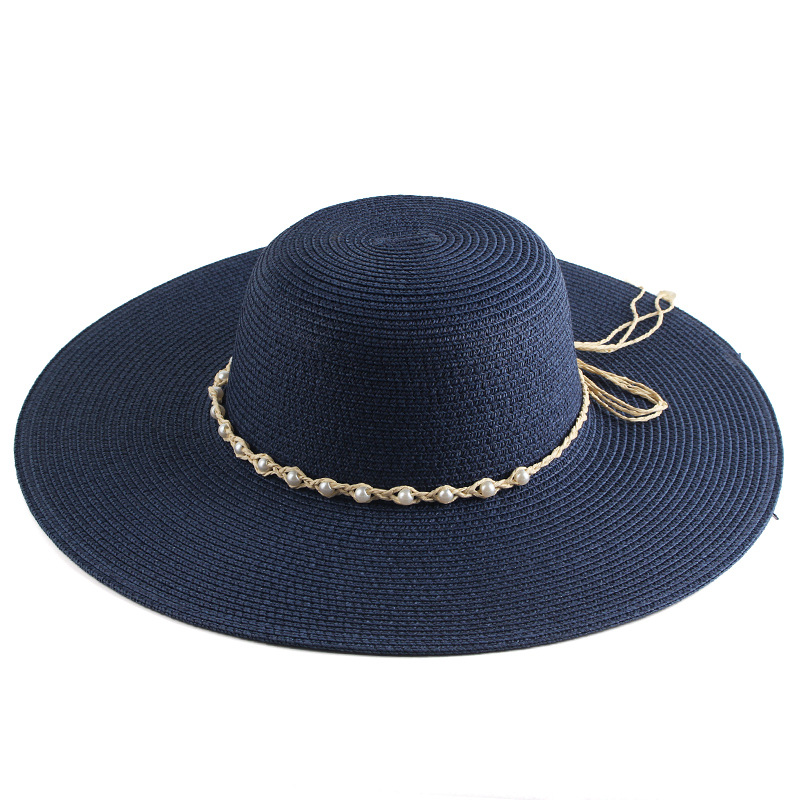
Many buyers view these accessories strictly as tropical resort wear. We need to overcome these restrictive usage stereotypes immediately. A well-structured piece serves as a seamless transition item. It easily crosses multiple dress codes and environments. You can wear it far beyond the beach or the pool. Matching profiles to specific use cases maximizes your styling versatility.
Table: Hat Profiles and Ideal Summer Use Cases
Profile Style | Key Characteristics | Ideal Use Cases |
|---|---|---|
Panama / Fedora | Pinched crown, medium brim | Smart casual, linen suits, summer tailoring |
Lifeguard / Safari | Wide brim, chin cords | Outdoor utility, gardening, fishing |
Porkpie / Boater | Flat top, compact footprint | Urban environments, casual weekend wear |
Let us examine these distinct profiles closely. The Panama or Fedora profile pairs seamlessly with linen suits. They elevate standard warm-weather aesthetics effortlessly. They bring necessary refinement to tailored menswear during summer weddings or garden parties. The pinched crown offers a sophisticated silhouette. Conversely, wide-brimmed lifeguard or Safari styles prioritize raw utility. They often feature adjustable chin cords for extra security. These serve highly functional roles for active outdoor users. They protect you diligently during gardening, fishing, or prolonged sun exposure. The wider brim shields the delicate skin on your neck. For city dwellers, the classic Porkpie or Boater works best. They offer a much more compact footprint. They suit crowded urban environments perfectly. You can navigate subway stations and busy sidewalks without bumping into people. They pair wonderfully with casual weekend wear like polo shirts and tailored shorts. Consider the styling investment carefully. Select a neutral tone to maximize wearability. Natural tan, ivory, or toasted straw blend seamlessly with colorful summer clothing. Pair it alongside a classic black or navy ribbon band. It will integrate with up to 80% of a standard summer wardrobe. This high compatibility justifies a higher initial price point. You wear it frequently, making it a highly efficient wardrobe addition.
Material longevity drives smart, sustainable fashion choices. We must evaluate natural fibers against synthetic alternatives rigorously. Avoid the common trap of "paper straw" models. Many fast-fashion retailers use a material called Toyo. This material is simply shellacked paper braided together. It permanently warps when exposed to high ambient humidity. A sudden burst of light rain ruins it instantly. The structure collapses, and it loses its shape forever. The value of a genuine Natural Straw Hat becomes obvious over time. Authentic makers utilize premium, time-tested raw materials. Here are the top three natural fibers to look for during your search:
Toquilla Palm: The foundation of authentic Panama hats, offering unmatched breathability. Weavers split these palm fibers by hand to create incredibly tight, durable weaves.
Raffia: Known for extreme flexibility and resilience. This material is highly crushable, making it resilient against rough daily handling and frequent packing.
Milan: A specialized hemp braid providing robust tensile strength. It offers a glossy finish and boasts natural resistance to everyday wear and tear.
Structural integrity defines a genuinely premium accessory. Quality natural fibers develop a beautiful, unique patina over time. They mold slightly to your specific head shape after several wears. This improves the custom fit significantly. They achieve this personalization without losing their foundational block shape. Environmental considerations also matter heavily today. Genuine plant materials are entirely biodegradable. They break down naturally at the end of their lifecycle. They are sustainably harvested by skilled artisans across the globe. This aligns perfectly with modern eco-conscious purchasing frameworks. They easily outperform petroleum-based synthetics, which contribute to global microplastic pollution.
How do you evaluate your purchase effectively? Sizing accuracy stands paramount in the selection process. Never rely on generic "One Size Fits Most" labels. They rarely fit correctly and often cause headaches. Look for brands offering specific centimeter sizing metrics. A 57cm or 59cm label indicates precision manufacturing and care. Alternatively, seek out models with adjustable internal bands. These discrete Velcro or drawstring mechanisms allow for tiny micro-adjustments. You can secure the fit perfectly even after a haircut. Next, conduct a thorough flexibility test. Premium natural headwear possesses a slight, forgiving give. Overly stiff materials signal poor quality and cut corners. Cheap hats often feature heavy lacquer coatings to fake stiffness. These artificial coatings become brittle quickly in the sun. They crack under minimal physical stress, destroying the aesthetic. Finally, inspect the hardware and finishing details. Examine the stitching on the interior sweatband closely. It should look uniform, tight, and highly secure. Check the securement method of the outer ribbon band. Glued ribbons are a primary indicator of low manufacturing standards. A properly sewn ribbon reflects traditional, durable craftsmanship. It ensures the ribbon will not peel off on a hot day.
Ownership realities demand proper maintenance and care. Handling protocols directly dictate the longevity of your accessory. The most common point of failure is severe cracking at the front pinch. People grab the crown instinctively when putting it on. Always handle your accessory strictly by the brim. Never pinch the crown directly with your fingers. The repeated pressure snaps the delicate dried fibers over time. Moisture management requires constant vigilance. Natural fibers withstand ambient humidity exceptionally well. However, they are absolutely not waterproof. Sudden downpours can cause severe shrinking or catastrophic warping. If your accessory gets wet, take immediate restorative action. Flip the interior sweatband outward carefully. Rest the piece upside down on its crown to dry. Keep it far away from direct heat sources like radiators. Forced heat bakes the fibers, making them brittle. Storage constraints also apply year-round. Leaving it flat on a table warps the brim over time. Gravity pulls the brim out of alignment. Leaving it in a hot car trunk destroys the internal moisture balance. Buyers must commit to proper storage habits immediately. Store it on a specialized wooden block. Hang it gently on a wide, dedicated wall hook. Alternatively, rest it upside down on its crown inside a hat box.
Final assessment time. This accessory is not merely a seasonal impulse buy to discard in September. It acts as a highly functional tool for summer thermal management. It serves as a strong structural anchor for your warm-weather styling. It elevates basic outfits while protecting your dermatological health. Follow these actionable next steps to secure your ideal piece:
Audit your primary summer environments to determine the exact brim width required.
Prioritize precise centimeter sizing over flashy, expensive brand names.
Test the material flexibility physically before committing to any purchase.
Establish a safe, dedicated storage spot in your home to prevent accidental crushing.
Familiarize yourself with proper brim-handling techniques to avoid crown cracking.
A: Look for a tight, consistent weave and a lack of visible glue. It should feature an integrated, moisture-wicking sweatband. The texture must feel supple and flexible, never brittle or overly stiff.
A: Only pack it if it is specifically designated as "packable" or "crushable." These are often made of highly flexible Raffia. Structured hats, like classic Panamas, will suffer permanent crown damage if compressed inside luggage.
A: Use a clean, lightly damp cloth to dab the affected area gently. Never rub the stain. For sweat marks on the interior band, apply a mild fabric detergent strictly to the band. Avoid getting the natural fibers wet.


